

Lifestyle choices are central to our health, well-being, and overall happiness. Understanding the pros and cons of lifestyle decisions is essential to making informed choices that align with your personal goals, values, and long-term health. In this comprehensive guide, we will explore the positive and negative aspects of common lifestyle choices, supported by real-world examples, statistics, and expert insights to help you make smarter decisions.
What Is Lifestyle and Why It Matters
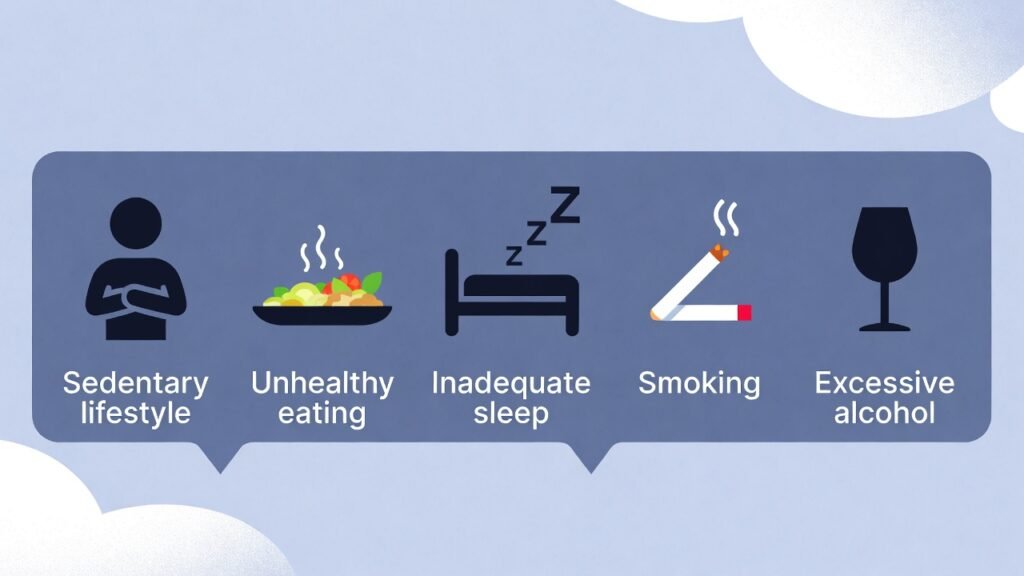
Lifestyle encompasses the way a person lives, including daily routines, diet, exercise, hobbies, work habits, social interactions, and leisure activities. The decisions we make in these areas can have far-reaching effects on both physical and mental health. A well-balanced lifestyle can improve longevity, reduce stress, and enhance productivity, while poor lifestyle choices can lead to chronic illnesses, fatigue, and emotional strain.
Understanding the pros and cons of lifestyle choices allows individuals to weigh benefits against potential drawbacks and create habits that maximize overall well-being.
- Internal resource: For deeper insights, visit the JMCon.com Blog for lifestyle and productivity tips.
The Pros of Healthy Lifestyle Choices
Physical Health Benefits
One of the most significant advantages of adopting a healthy lifestyle is improved physical health. Balanced diets, regular exercise, and adequate sleep contribute to:
- Stronger immunity: Studies suggest that consistent exercise can boost immune response by up to 20% (Cambridge Dictionary).
- Weight management: Proper nutrition and exercise reduce the risk of obesity, which currently affects over 40% of adults in the U.S.
- Reduced risk of chronic disease: Conditions like heart disease, diabetes, and hypertension are significantly less prevalent among individuals who maintain healthy habits.
Mental Health and Emotional Well-Being
Lifestyle choices also impact psychological health. Engaging in hobbies, practicing mindfulness, and maintaining social connections can improve emotional stability, reduce anxiety, and enhance cognitive function.
- Focus and productivity: People who maintain structured daily routines report a 15–25% increase in task efficiency compared to irregular routines.
- Stress reduction: Meditation and exercise are linked to lower cortisol levels, improving overall mood.
- Internal link: Learn how lifestyle choices affect decision-making in our guide What Do Pros and Cons Stand For.
Enhanced Longevity
Healthy habits are correlated with longer life expectancy. A study published by the World Health Organization indicates that maintaining a balanced diet and active lifestyle can increase lifespan by up to 10 years.
Social Benefits
Positive lifestyle choices often improve social interactions. Regular engagement in group activities or sports builds community, enhances social skills, and fosters a sense of belonging.
The Cons of Lifestyle Choices
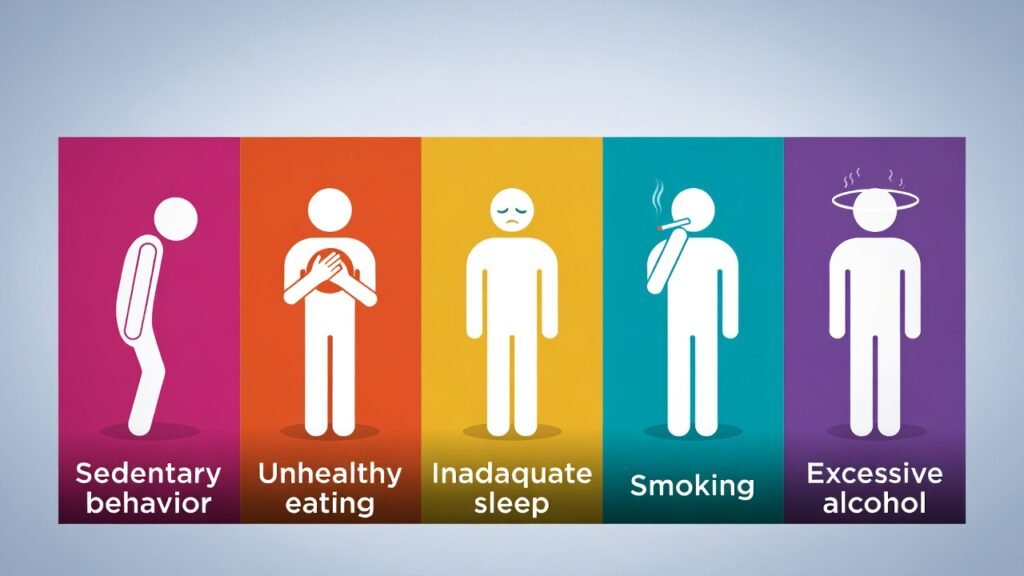
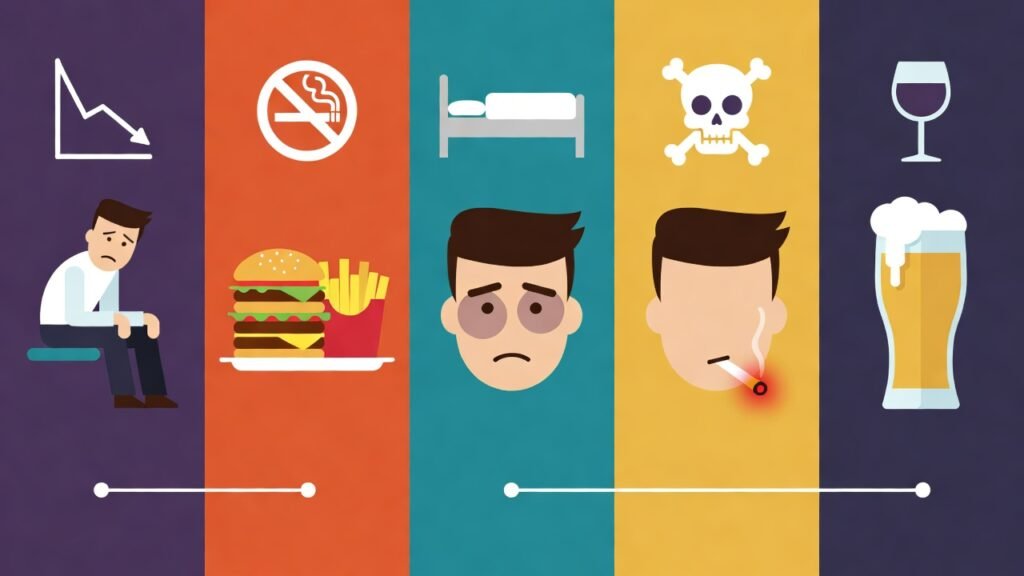
While there are numerous benefits to adopting a healthier and more structured lifestyle, it’s important to recognize that lifestyle changes can present a range of challenges. Adjusting long-standing habits often requires significant time, effort, and discipline, and the transition period can be mentally and physically demanding. Some individuals may experience frustration, fatigue, or stress as they attempt to integrate new routines such as regular exercise, balanced meal planning, or mindfulness practices into their daily schedules. Additionally, financial considerations, social pressures, and unforeseen obstacles can create barriers to consistency, making it essential to plan carefully and set realistic expectations for gradual, sustainable change
Time Commitment
Adopting healthier habits often requires time for planning, preparation, and execution. For example, cooking balanced meals and dedicating time to exercise can be difficult for individuals with busy schedules.
Financial Costs
Maintaining a healthy lifestyle can be costly. Expenses for gym memberships, fresh produce, wellness programs, or specialized health equipment can add up quickly.
- Percentage insight: On average, health-conscious individuals spend 8–12% more of their monthly income on wellness-related activities.
Social and Psychological Challenges
- Pressure from peers: Lifestyle changes might conflict with social norms or family habits, creating stress or feelings of isolation.
- Initial adjustment difficulties: Shifting routines often causes temporary discomfort, fatigue, or resistance to change.
- External link: Learn more about the origin and formal definition of pros and cons at Merriam-Webster.
Lifestyle Components: Pros and Cons Table
| Lifestyle Component | Pros | Cons | % Impact on Well-being |
|---|---|---|---|
| Diet & Nutrition | Improved health, energy, weight management | Costly, time-consuming preparation | 35% |
| Exercise & Fitness | Stronger body, mental clarity, reduced stress | Time commitment, possible injuries | 30% |
| Sleep & Rest | Cognitive function, mood improvement | Social conflicts, irregular schedules | 20% |
| Social Interactions | Enhanced relationships, emotional support | Peer pressure, conflict | 10% |
| Hobbies & Personal Growth | Creativity, stress relief, skill development | May require resources and time | 5% |
This table highlights how different lifestyle components influence overall well-being and the trade-offs associated with each choice.
Key Lifestyle Choices: Pros and Cons Explored
Nutrition and Diet
Eating a balanced diet rich in fruits, vegetables, lean proteins, and whole grains provides essential nutrients. However, meal planning can be expensive and time-consuming.
- Internal link: For expert guidance on daily choices, check Discover Popular Questions from Google Pros and Cons Trends.
Exercise and Fitness Routines
Regular physical activity improves cardiovascular health and strengthens muscles, but high-intensity programs can risk injury. Low-cost alternatives such as bodyweight exercises at home mitigate some cons.
Sleep and Rest Patterns
Quality sleep enhances cognitive performance and emotional stability. Poor sleep hygiene can reduce work efficiency by up to 25%.
Social Interactions and Community Engagement
Engaging with a supportive community improves mental health, but lifestyle changes may strain relationships if social habits are not aligned.
Hobbies, Learning, and Personal Growth
Investing time in personal growth activities boosts confidence and skills. The main challenge is allocating sufficient time amidst professional and personal obligations.
Percentages and Statistics: Lifestyle Impact
- Nutrition & diet: 35% influence on overall well-being
- Exercise: 30% influence
- Sleep: 20% influence
- Social life: 10% influence
- Personal growth & hobbies: 5% influence
This quantitative view helps prioritize lifestyle adjustments based on their impact.
Making Lifestyle Changes Work for You
1: Assess Your Current Lifestyle
Identify current habits and their consequences. Track diet, exercise, sleep, and social interactions to understand areas needing improvement.
2: Set Realistic Goals
- Short-term: Improve sleep schedule, walk 5,000 steps daily
- Long-term: Achieve a balanced diet, maintain regular exercise routine
3: Prioritize Habits With Highest Impact
Focus on components with the largest influence on well-being: diet, exercise, and sleep.
4: Evaluate Regularly
Track your progress and make adjustments as needed. Keep a journal or use apps to monitor habits and results.
5: Seek Support
Join online communities, wellness groups, or educational platforms for guidance.
- External link: Explore expert advice on lifestyle and wellness at Cambridge Dictionary.
- Embedded Video: Watch lifestyle expert tips on YouTube
Tools and Resources to Help
- Lifestyle Apps: Track diet, exercise, and sleep
- Meditation Tools: Apps like Headspace or Calm
- Community Platforms: Online forums, local clubs, or social groups
- Internal link: Learn more about decision-making using tools in AI Tools for Content Creators Pros and Cons.
Lifestyle Myths: Pros and Cons
Many myths surround lifestyle choices, which can mislead decision-making. Examples include:
- Myth: High-intensity workouts are always best
- Reality: Moderate exercise can provide similar benefits without risk
- Myth: All fad diets work long-term
- Reality: Sustainable balanced diets yield better results
Understanding these myths ensures your lifestyle choices are evidence-based.
Conclusion
Lifestyle choices shape your health, well-being, and happiness. Evaluating the pros and cons of various habits—from diet and exercise to social interactions and personal growth—empowers individuals to make informed decisions. By prioritizing high-impact habits, setting realistic goals, and leveraging tools and communities, anyone can improve their sustainably.
Adopting a structured approach and being aware of trade-offs ensures decisions enhance long-term wellness. Ultimately, lifestyle is a personal journey, and understanding the pros and cons of your choices provides clarity, balance, and control over your future.
Give this article a score — how helpful was this pros and cons guide? Share your rating and your thoughts in the comments below!


Share Your Rating
Add your pros and cons to help others make informed decisions.