


The pros and cons of technology impact modern businesses in every sector. Technology can enhance efficiency, productivity, and innovation, yet it also introduces risks, costs, and adaptation challenges. Understanding these advantages and limitations allows businesses to make informed decisions about implementing new systems and tools.
Digital adoption transforms operations, offering solutions like automation, artificial intelligence (AI), cloud computing, and collaboration platforms. However, these tools are not without trade-offs, and knowing the pros and cons of technology helps organizations maximize benefits while mitigating risks.
How Technology Shapes Business Growth
Technology influences nearly every aspect of modern business. Companies leverage tools to improve operations, enhance communication, and gain competitive advantages. Cloud-based platforms enable remote access, while data analytics offers actionable insights into customer behavior and market trends.

Understanding the pros and cons of technology is essential because it determines whether investments generate real value. Organizations that deploy systems without evaluating benefits and risks often face wasted resources, employee frustration, and missed opportunities.
Key Categories of Business Technology
- Automation Tools: Software that streamlines repetitive tasks.
- Artificial Intelligence: AI supports predictive analytics and process optimization.
- Collaboration Platforms: Tools like Slack or Microsoft Teams improve remote teamwork.
- Cybersecurity Solutions: Protects sensitive company and customer data.
- Cloud Computing: Flexible infrastructure reduces costs and enhances scalability.
Each category offers substantial benefits, yet comes with potential drawbacks like high costs, learning curves, and dependence on technology.
Advantages of Technology in Business
Improved Efficiency and Productivity
The pros and cons of technology clearly show that efficiency is a primary advantage. Automation reduces manual work and human error, allowing employees to focus on strategic tasks. Accounting software, for instance, reconciles transactions automatically, while AI-driven analytics provide real-time insights that enhance decision-making.
Collaboration tools streamline team communication, enabling remote employees to contribute effectively. Companies adopting these tools often experience faster project completion, higher customer satisfaction, and increased profitability.
Cost-Effectiveness and Scalability
Technology can lower long-term operational costs. Cloud-based systems replace expensive infrastructure with subscription-based solutions, while AI reduces the need for manual labor. Businesses can scale without proportional increases in workforce or physical resources.
| Advantage | Business Impact | Weighted Impact (%) |
|---|---|---|
| Automation | Reduces manual workload | 85% |
| Cloud Computing | Cuts infrastructure expenses | 80% |
| Data Analytics | Improves strategy decisions | 75% |
| Collaboration Platforms | Boosts team efficiency | 70% |
| Scalability | Supports growth effectively | 80% |
Scalability and cost-efficiency help small and medium businesses compete with larger enterprises by providing access to advanced tools without prohibitive expenses.
Enhanced Data Management and Insights
Data-driven decisions are at the core of competitive business strategy. Analytics platforms consolidate information from multiple sources, offering insights into customer preferences, operational bottlenecks, and emerging trends. Predictive analytics can forecast sales patterns or inventory needs, minimizing risk and optimizing resource allocation.
For example, companies using predictive analytics see improved sales performance, fewer stockouts, and better marketing ROI. Leveraging the pros and cons of technology ensures the right data tools are adopted to maximize these outcomes.
Innovation and Market Differentiation
Technology encourages experimentation and innovation. Cloud development environments, AI modeling, and simulation software enable companies to test new ideas without extensive capital investment. Businesses using technology strategically often achieve a competitive advantage through innovation and faster market responsiveness.
Embedding technology into product development pipelines accelerates design, testing, and delivery. Firms that embrace these tools can differentiate themselves in crowded markets while improving operational agility.

Limitations and Challenges of Technology
Initial Costs and Implementation Barriers
While technology can save money long-term, upfront investment is significant. Software licensing, hardware upgrades, and staff training often strain budgets. Businesses must weigh these costs against expected ROI.
Security and Privacy Concerns
One of the major cons of technology is exposure to cybersecurity risks. Breaches can compromise sensitive customer and company data, resulting in financial loss and reputational damage. Even with strong security measures, ongoing monitoring and staff training are required to maintain protection.
Employee Adaptation and Training
Introducing new technology necessitates adaptation. Employees may resist changes or struggle with unfamiliar systems, reducing productivity. Providing comprehensive training and change management programs is essential to overcome these challenges.
Overdependence on Technology
Reliance on digital tools can introduce vulnerabilities. System failures, software bugs, or internet outages can disrupt operations. Companies must maintain contingency plans and backup processes to reduce dependency risks.
| Limitation | Impact | Weighted Impact (%) |
|---|---|---|
| Implementation Costs | Financial burden | 70% |
| Cybersecurity Risks | Data breaches | 75% |
| Adaptation Challenges | Reduced productivity | 65% |
| Dependence on Technology | Operational risk | 60% |
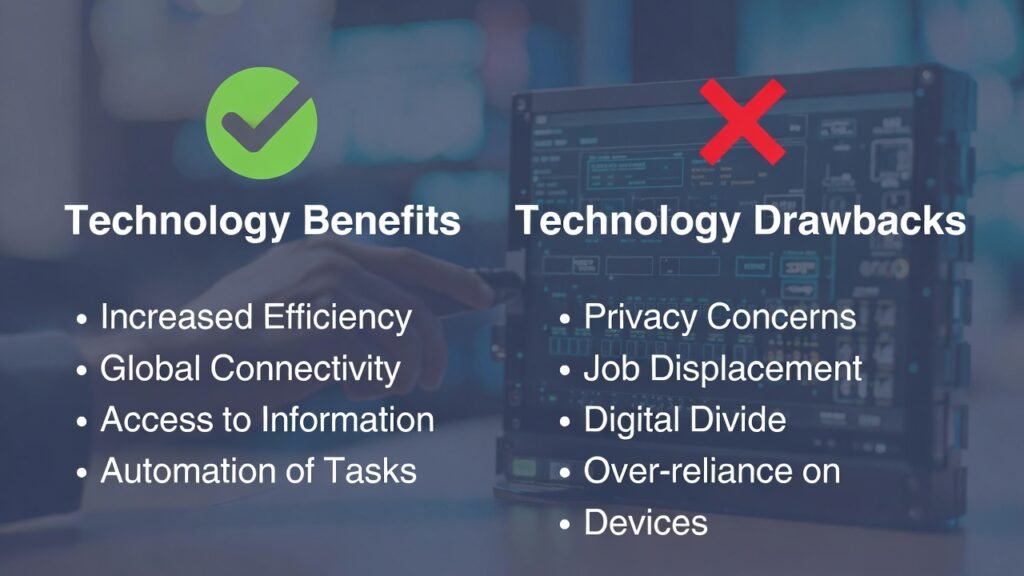
Comparing Technology Benefits and Drawbacks
Efficiency vs Complexity
While technology boosts productivity, complex systems can overwhelm employees. Poor integration of multiple platforms may lead to duplicated efforts or process confusion. Evaluating the pros and cons of technology ensures that efficiency gains outweigh complexity.
Investment vs Long-Term Value
Initial costs may seem high, but long-term benefits often justify the investment. Businesses should analyze ROI by considering cost savings, improved decision-making, and competitive advantages.
Innovation vs Security Risk
Technology fosters innovation but introduces potential security vulnerabilities. Balancing innovation with strong cybersecurity practices is essential to mitigate risks.
| Factor | Pros | Cons |
|---|---|---|
| Efficiency | Saves time | Complexity can overwhelm |
| Cost | Long-term savings | High initial investment |
| Data Insights | Informed decision-making | Requires ongoing management |
| Innovation | Competitive edge | Security vulnerabilities |
| Employee Productivity | Streamlined workflow | Learning curve |
Strategies to Maximize Technology Benefits
Evaluate Needs and Goals
Before adopting technology, assess business objectives and identify operational pain points. Choose tools that directly address challenges rather than following trends. Resources like Pros and Cons Explained offer guidance on structured evaluation for technology investments.
Comprehensive Employee Training
Training reduces adaptation barriers. Workshops, tutorials, and support materials help employees leverage technology effectively. Increased adoption leads to higher productivity and better ROI.
Implement Strong Security Measures
Security should be integrated from the outset. Access controls, regular updates, and employee awareness programs reduce vulnerability to cyber threats. Continuous monitoring is critical to protect sensitive data.
Continuous Review and Optimization
Technology evolves quickly. Regularly assess tools to ensure they remain effective, relevant, and secure. Replace outdated systems, optimize performance, and track outcomes to maximize long-term benefits.
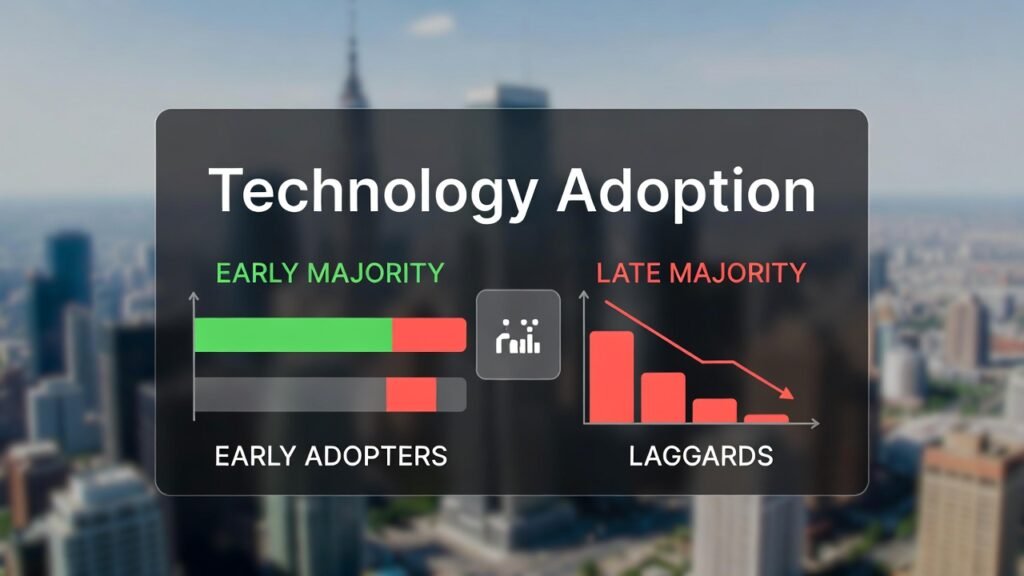
Real-World Example: Technology Adoption
A mid-sized retailer implemented a cloud-based inventory management system with AI-driven demand forecasting. Results included a 30% reduction in stockouts, 20% labor savings, and higher customer satisfaction. Initial training was necessary, but ongoing monitoring ensured maximum benefit.
| Evaluation | Positive | Negative |
|---|---|---|
| Efficiency | Automated inventory | Employee learning curve |
| Cost | Labor savings | Upfront investment |
| Customer Satisfaction | Reduced stockouts | Software training required |
| Data Accuracy | Predictive insights | Maintenance needed |
This case demonstrates the practical impact of the pros and cons of technology, highlighting how careful planning can maximize advantages while addressing challenges.
Best Practices for Technology Implementation
- Define Goals: Identify what the technology should achieve.
- Select Appropriate Tools: Choose solutions aligned with business objectives.
- Train Staff Thoroughly: Reduce resistance and improve adoption.
- Ensure Security: Integrate cybersecurity practices into all workflows.
- Monitor Performance: Evaluate tools continuously and update when necessary.
Following these steps helps businesses navigate the pros and cons of technology efficiently, ensuring investments yield measurable benefits.
Conclusion: Leveraging Technology Wisely
Understanding the pros and cons of technology enables businesses to make informed, strategic choices. Technology can enhance productivity, innovation, and competitiveness, but it requires careful planning, robust security, and employee support to avoid pitfalls. Companies that balance innovation with risk management and continuous evaluation can maximize benefits and achieve sustainable growth.
Give this article a score — how helpful was this pros and cons guide? Share your rating and your thoughts in the comments below!


Share Your Rating
Add your pros and cons to help others make informed decisions.