


Remote education has exploded in popularity. What once was a niche alternative is now a central part of lifelong learning, professional development, and career transformation. At the core of this shift is the question: what are the pros and cons of online courses? Understanding this question isn’t just academic — it influences how you invest your time, money, and energy into growth.
Online courses can unlock opportunities that were previously inaccessible, yet they carry trade‑offs that matter in real outcomes. This comprehensive guide explores the advantages and limitations in practical detail, helping you decide when online learning is the right choice and when another path might serve you better.
What Online Courses Are and How They Work
Online courses are structured educational experiences delivered through digital platforms. They range from free, self‑paced tutorials to immersive paid programs with deadlines, instructors, and peer interaction. Platforms like Coursera, Udemy, and edX bring together content from universities, industry leaders, and subject matter experts — blurring the lines between traditional schooling and modern self‑directed learning.
According to the Merriam‑Webster dictionary, the term “online” denotes activities conducted via the internet, and “course” refers to a structured sequence of educational content. Together, online courses represent a flexible format where learners engage with material, assessments, and sometimes instructors remotely.
Because online courses are so diverse, understanding their pros and cons requires looking not just at the format but at how they’re structured, the goals they support, and the ways learners engage with them.

Key Benefits of Online Courses
Unmatched Flexibility and Schedule Control
One of the biggest advantages is flexibility. Students no longer have to be in a classroom at a specific hour. Instead, learning can happen around work, family, and personal commitments. For many adults, this shift is transformative.
Someone working full time can tackle lessons during lunch breaks, evenings, or weekends. A parent can study while a child naps. Even someone with irregular shifts can adapt their learning schedule without falling behind.
This flexibility doesn’t just make learning convenient. It also empowers learners to take ownership of their education, pacing their experience in ways that match their personal rhythms.
Broad Accessibility for Diverse Learners
Online courses remove geographic barriers. You don’t need to relocate to access quality content. A student in a small town can learn from a professor across the globe. A designer in Puerto Rico can take a UI/UX course from a Silicon Valley expert.
This democratization of knowledge has leveled the playing field. It’s no longer necessary to attend elite universities or costly programs to gain expertise. Skills that once required thousands of dollars and long commutes are now reachable with a modest investment and stable internet.
Affordability Compared to Traditional Education
For many learners, cost is a deciding factor. Traditional degrees can be expensive when you factor in tuition, housing, commuting, and textbooks. Many online courses offer comparable value at a fraction of the cost. Some are completely free; others are subscription‑based or charge per course.
Reduced cost doesn’t just save money — it can reduce financial stress and debt. For people exploring career changes or skill upgrades without employer sponsorship, this financial accessibility is crucial.
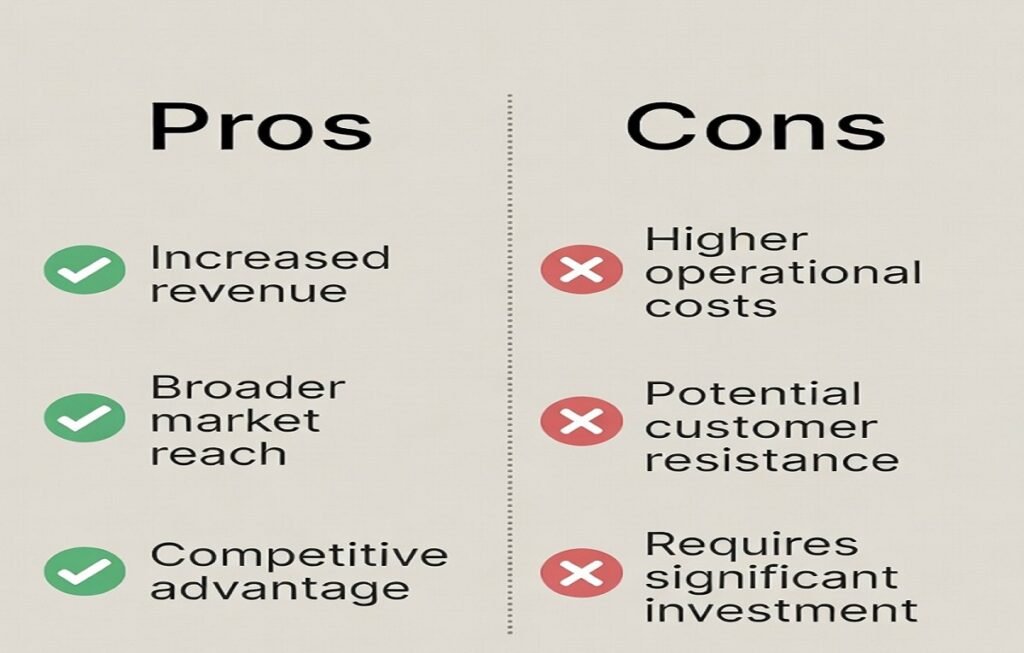
What Does Pros and Cons Major Advantage
Below is a summarizing major advantages:
| Advantage | What It Means for You | Typical Impact (%) |
|---|---|---|
| Flexibility | Learn on your own schedule | 85% |
| Accessibility | Access from anywhere in the world | 80% |
| Cost Savings | Lower expenses than traditional programs | 75% |
| Variety of Topics | Thousands of subjects available | 70% |
| Personalized Pace | Adapt to your learning speed | 80% |
| Certification | Credential evidence of completion | 65% |
Variety and Personalization of Learning
Online courses aren’t one‑size‑fits‑all. They include video lectures, readings, assignments, quizzes, and community discussion boards. Some even offer live tutoring or group project work. Learners can choose formats that suit their style: visual, auditory, hands‑on, or interactive.
This variety also means you can explore topics outside your core profession. A software engineer can take a creative writing workshop. A marketer can pursue a photography course. The result is a more well‑rounded skill set.
Professional and Career Advancement
Many online programs are designed to meet labor market demands. Specialized certificates and skill‑based credentials from platforms such as LinkedIn Learning or industry consortiums can signal competency to employers, often with real portfolio outcomes.
Because these courses focus on contemporary skills and tools, they can make you job‑ready faster than traditional academic pathways. For many professionals, this direct alignment with market trends makes online learning a strategic career move.
Limitations and Challenges of Online Courses
What Are the Pros and Cons of Online Courses: Smarter Learning: Face‑to‑Face Interaction
One of the most cited drawbacks of online learning is the limited social interaction. Unlike a classroom setting, where you can raise your hand, discuss in real time, and build relationships with peers and instructors, online structures vary widely in engagement.
Discussion boards and virtual chats can help, but they don’t fully replicate live conversation and body language cues. For learners who thrive on interpersonal feedback and real‑time exchange, this can be a meaningful loss.
Self‑Discipline and Motivation Are Required
Without a structured classroom schedule, online learners bear the full responsibility for consistency. Progress depends on self‑motivation and time management. Many people start online courses with enthusiasm but struggle to complete them, especially when faced with competing priorities.
This isn’t a flaw of the format itself but of human behavior patterns. The convenience of asynchronous access requires discipline — and without it, learning can stall.
What Does Pros and Cons: Across Courses
Not all online courses are created equal. Some are meticulously designed and expertly delivered, while others may feel rushed, outdated, or less rigorous. Platform reputation, instructor expertise, and course reviews are critical variables in determining value.
Before enrolling, many learners benefit from checking feedback, curriculum outlines, and instructor backgrounds to avoid spending time or money on subpar content.
Technical and Equipment Barriers
Online learning assumes internet access, a reliable device, and basic tech literacy. Learners without stable Wi‑Fi or up‑to‑date hardware may face interruptions or frustration. These barriers can disproportionately affect individuals in areas with limited connectivity or those who cannot afford technology upgrades.
The table below uses weighted impacts to show common limitations:
| Limitation | What It Affects | Typical Impact (%) |
|---|---|---|
| Reduced Interaction | Social learning and feedback | 60% |
| Self‑Discipline Requirement | Course completion rates | 70% |
| Quality Variation | Learning effectiveness | 55% |
| Technological Barriers | Access and consistency | 50% |
Comparing Online Courses to Traditional Education
Financial and Time Investment
Traditional education often involves high tuition, structured semesters, and commuting time. Online education reduces many of these costs and constraints. You can learn without relocating and avoid expenses like housing, transport, and campus fees.
However, a traditional degree may carry more recognition in certain professions. For fields with strict certification requirements (medicine, law, education), online programs may be supplementary rather than primary.
Learning Experience and Community
Campus learning embeds you in a community — classmates, study groups, clubs — which fosters collaboration and social growth. Online courses can create community through forums and live sessions, but the depth and quality of interaction vary widely.
In some cases, hybrid models (blending online and in‑person experiences) offer the best of both worlds: flexibility and community.
Credential Recognition and Transferability
A degree from an accredited university typically holds more weight in traditional job markets than many online course certificates. However, in fields like tech, digital marketing, design, and data science, skill‑based online credentials often carry strong industry credibility, particularly when paired with portfolio work.
Here’s a Gutenberg‑ready comparison table:
| Aspect | Online Courses | Traditional Education |
|---|---|---|
| Cost | Lower | Higher |
| Flexibility | High | Low |
| Community Interaction | Variable | Strong |
| Recognition | Skill‑based | Broad academic credit |
| Time to Completion | Shorter | Longer |
How to Get the Most from Online Learning
Choosing High‑Quality Programs
Not all programs deserve the same investment. Research platforms, read student reviews, and understand the syllabus before enrolling. Trusted platforms often display ratings, course outlines, and instructor credentials. Taking time to evaluate ensures your effort goes toward meaningful learning.
See this breakdown of what pros and cons stand for in structured comparisons for guidance on evaluating choices before you commit.
Setting Clear Goals and Schedules
Treat online learning like a commitment, not a hobby. Define what you want to achieve, set deadlines, and allocate specific learning times. This habit mitigates procrastination and increases the chance of finishing the course.
Engaging Actively With Materials
Passive watching won’t yield mastery. Take notes, participate in discussions, complete assignments, and reach out to peers. Engagement deepens understanding and reinforces retention.
What Are the Pros and Cons of Online Courses: Using Supplementary Resources
Many learners accelerate outcomes by combining online courses with books, podcasts, webinars, and practical projects. This blended approach strengthens comprehension and makes learning more dynamic.
Real‑World Online Learning Use Case
Consider someone transitioning from customer support to UX design. They enroll in an online UX bootcamp that covers wireframing, user research, and prototyping over ten weeks. The course includes video modules, weekly critiques from instructors, and hands‑on projects.
| Evaluation Factor | Positive | Negative |
|---|---|---|
| Skill Acquisition | Specialized UX skills | Limited human mentorship |
| Portfolio Output | High | Requires personal initiative |
| Time Flexibility | Study during evenings | Requires self‑discipline |
| Cost | Affordable compared to degree | No guaranteed job placement |
In this real scenario, the learner gains practical skills and a portfolio, which significantly improves job prospects — but the lack of structured mentorship means they need external feedback and practice.
Choosing What’s Right for You
Online courses aren’t inherently better or worse than traditional education. They are powerful tools when matched to a learner’s goals, lifestyle, and discipline level. If flexibility, speed, and cost matter most, online learning often wins. If deep mentoring, structured community, and formal accreditation are essential, traditional programs may be preferable.
The best approach can also be hybrid: start with online courses to build skills, then pursue deeper credentials if needed.
Final Outlook on Online Courses
Online courses represent an innovation in how humans learn. They extend opportunities, democratize access to knowledge, and make continuous learning feasible for people in every stage of life. At the same time, they demand self‑direction, thoughtful selection, and consistent effort.
Understanding what are the pros and cons of online courses prepares you to use them strategically, not casually. When aligned with your goals and habits, online learning becomes not just education, but a pathway to real impact.
Give this article a score — how helpful was this pros and cons guide? Share your rating and your thoughts in the comments below!


Share Your Rating
Add your pros and cons to help others make informed decisions.