


When people ask, “What is cons & pros?”, they are essentially asking about a framework for evaluating decisions, options, or ideas by weighing their advantages and disadvantages. The terms are often used interchangeably with “pros and cons,” where: Pros represent the positive aspects, benefits, or favorable outcomes. Cons represent the negative aspects, drawbacks, or potential risks.
Defining What Cons & Pros Are
This simple yet powerful framework has been used for centuries to help individuals, teams, and organizations make balanced decisions. Understanding cons & pros goes beyond just listing advantages and disadvantages. It involves analyzing, prioritizing, and reflecting on each factor to reach an informed choice.
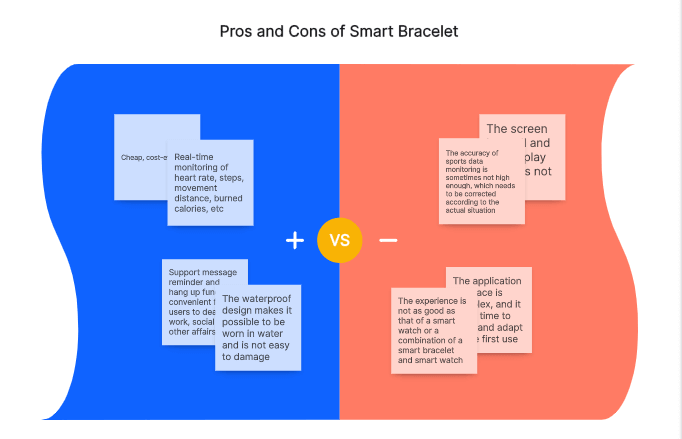
The Origin of Cons & Pros
The terms “pro” and “cons” come from Latin: Pro means “for” or “in favor of.” Contra means “against.” In historical debates, legal arguments, and scholarly discussions. The arguments were presented pro and contra to examine all sides of an issue. Over time, these Latin terms evolved into everyday English, resulting in the phrase cons & pros (or “pros and cons”). The purpose is to evaluate all aspects of a decision, rather than focusing on a single factor.
Why Understanding Cons & Pros Matters
The primary benefit of knowing what is cons & pros is clarity in decision-making. By breaking down a choice into its positive and negative elements. You can: Identify trade-offs Prioritize what matters most Reduce emotional bias Make faster yet more informed decisions. This method is used in business, education, personal decisions, and online content to provide structured guidance.
How to Identify them Effectively
Creating a clear list of this involves: Define the decision clearly – Be specific about the choice. List pros – Include all positive outcomes, benefits, and advantages. List cons – Include all drawbacks, risks, and potential negative consequences. Assign importance – Not all points are equal. Consider scoring or ranking each item. Review holistically – Look at the bigger picture and consider long-term effects.
Examples of Cons & Pros in Everyday Decisions
Choosing a Smartphone
| Pros | Cons |
|---|---|
| Latest features and updates | Higher cost than older models |
| Better camera quality | Battery may drain faster |
| Improved speed and performance | Learning curve for new interface |
| Resale value remains high | Limited compatibility with older accessories |
Deciding on Remote Work
| Pros | Cons |
|---|---|
| Flexibility in schedule | Potential isolation from colleagues |
| Reduced commuting time | Work-life boundaries may blur |
| Cost savings on transportation | Fewer networking opportunities |
| More family time | Possible decreased visibility in the company |
These examples demonstrate how cons & pros help visualize trade-offs and make choices aligned with your goals.
The Education
In academic contexts, teachers use cons & pros analysis to: Develop critical thinking Improve reasoning skills Evaluate multiple perspectives Support structured debate For example, students writing an essay on renewable energy might list pros such as reduced emissions and sustainability, while cons include high costs and limited technology availability. This approach trains students to think analytically and present balanced arguments.
Cons & Pros in Business Decision-Making
In business, cons & pro analysis is widely used to evaluate. Investments Project feasibility Vendor selection Product launches
Example Table: Product Launch Decision
| Pros | Cons |
|---|---|
| Potential market growth | High development cost |
| Competitive advantage | Market saturation risks |
| Brand diversification | Uncertain customer adoption |
| Innovation leadership | Operational challenges and risks |
Assigning numerical scores to each factor can help highlight which pros or cons are most impactful.
Common Misconceptions About Cons & Pros
Even though cons & pros seems simple, common mistakes include: Treating all points equally without considering importance Allowing personal bias to skew the lists Oversimplifying complex decisions Relying only on the number of pro or cons instead of their significance Understanding these pitfalls ensures more accurate and practical outcomes.
Using Cons & Pros in the Digital Age
Online, cons & pro is a common framework for content creation. Blogs, review sites, and guides often use pro & cons tables for products, services, and tools because: Readers scan for quick, structured information Search engines favor content that answers decision-based queries Visual pro and cons tables increase engagement and comprehension For example, search queries like “cons & pros of AI tools” or “cons & pro of remote work” show how embedded this framework is in digital decision-making.
Tips for Making Cons & Pros Work Best
Be specific: General points are less helpful. Prioritize: Assign weights to high-impact items. Consider context: Some pros might become cons over time. Combine with research: Include data or expert opinions to support your list. Review periodically: Especially for long-term or evolving decisions.
Real-World Applications of Cons-&-Pro
Buying a Car
| Pros | Cons |
|---|---|
| Better fuel efficiency | Higher upfront cost |
| Warranty coverage | Insurance may be expensive |
| Advanced safety features | Depreciation over time |
| Modern technology and comfort | Maintenance costs could be higher |
Starting a Small Business
| Pros | Cons |
|---|---|
| Creative freedom | Financial risk |
| Potential high income | Unpredictable cash flow |
| Independence | High workload |
| Personal growth | Stress and uncertainty |
Final Thoughts
So, what is cons & pros? It is a structured way to examine the positive and negative aspects of any decision. Rooted in Latin tradition, this method remains relevant across education, business, and everyday life. By effectively analyzing cons & pro, individuals can make informed, balanced, and confident decisions. From personal choices to complex business strategies, this framework remains one of the most practical tools for decision-making. Give this article a score — how helpful was this cons & pro guide? Share your rating and your thoughts in the comments below.


Comments (2)
Elementor Page Builder Pros And Cons For WordPress Websites – JMConssays:
January 31, 2026 at 2:32 am[…] Pros: […]
Most Searched Solutions: Uncovering the Business Strategies – JMConssays:
February 9, 2026 at 3:28 am[…] information access, the term “business strategies” has become one of the most frequently searched solutions by entrepreneurs, executives, and aspiring leaders. This article seeks to unveil the […]